Fewer Bells in the Branches: Quieting UK Slot Marketing Before Winter
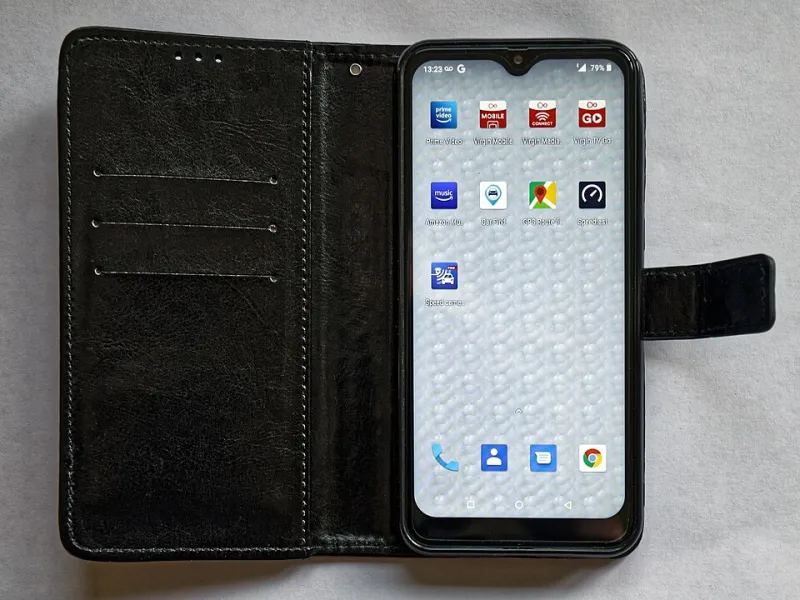
Photo: Acabashi, CC BY-SA 4.0, via Wikimedia Commons
There's a particular kind of November quiet that a treehouse does well. The leaves are off, the light comes in lower, and the whole structure feels a bit more honest about what it is. Your inbox, meanwhile, is doing the opposite. Every operator you've ever signed up with has decided that the run-up to winter is the moment to remind you they exist, usually with a sparkly graphic and a countdown timer.
This isn't an article about willpower. It's an article about furniture. If a promotional email lands at 7pm on a Friday and you're already on the sofa with your phone, that message isn't competing with your better judgement — it's competing with nothing at all. Move it out of the room and the argument never happens.
The ladder starts in your pocket
Most safer-play advice focuses on the moment you deposit. The more useful moment is earlier than that: the moment a prompt appears. Environmental design is the dull name for this, and it beats resolve every time, because it doesn't require you to be a different person at 9pm than you were at breakfast.
So the job this month is a clear-out. Not a dramatic deletion of your accounts — that's a separate decision and not one worth making in a bad mood — but a tidy-up of the routes by which a slot site can reach you uninvited.
First, take stock
Before you unsubscribe from anything, spend ten minutes writing down every channel an operator can use to get at you. Most people miss at least two. The usual list:
- Marketing email, including the 'offers' folder your provider quietly filters them into
- SMS texts, which often survive long after you've stopped reading email
- Push notifications from apps and, increasingly, from mobile websites in your browser
- Home-screen icons and app folders
- Bookmarks and autocomplete entries
- Saved payment details that make a deposit a two-tap affair
- Social accounts you follow for 'news' that is really promotional
That's the map. The clear-out is just walking it.
The clear-out, rung by rung
1. Open the promotions tab and sort by sender. Don't read them; count them. Seeing '38 emails from six operators this month' is more persuasive than any warning label.
2. Unsubscribe from the ones you didn't choose. In the UK, electronic marketing to individuals generally needs consent, and every marketing message should carry a way out. Use it. If the link doesn't work, that's worth flagging to the Information Commissioner's Office rather than a shrug.
3. Keep the ones that do a job. More on this below, but the short version: transactional and account messages are not the same as marketing, and you probably want to keep them.
4. Deal with SMS last, because it's the stubborn one. Text STOP (or whatever the message says) and screenshot the confirmation. Texts have a way of reappearing.
5. Turn off push at the source. Both in the app's own settings and in your phone's notification settings, because apps aren't always honest about which switch actually governs the pings.
6. Clear the home screen. If an icon is one thumb-tap from your lock screen, it isn't a hobby — it's a default. Move it into a folder, or off the phone entirely for the winter.
7. Prune the browser. Clear the bookmarks bar and let autocomplete forget the address. A little friction is the whole point.
8. Set a recurring date. Fifteen minutes on the first Sunday of each month. Leaf-fall is seasonal; marketing isn't.
What's worth keeping
A tidy inbox isn't an empty one. There are messages you genuinely want, and losing them creates its own problems:
- Deposit limit confirmations, and any change to them
- Withdrawal requests and their status
- Account security alerts, password resets, logins from a new device
- Safer-play tools: session reminders, reality checks, time-outs you've set yourself
- Statements or activity summaries, where your operator provides them
- Anything confirming a self-exclusion or an account closure
The test is simple. Does this message tell me something about my own account that I'd want to know? If yes, keep it. If it's telling you what you could win, it's advertising wearing a friendly jumper.
The 9pm text and the 'just checking in' email
Two formats deserve particular suspicion. The first is the late-evening text, which arrives precisely when your defences are lowest and your phone is already in your hand. The second is the 'we noticed you haven't played in a while' email, which is a retention nudge dressed up as concern.
There's no need to be angry about either. You just need them not to arrive.
A quick word on the rules
Gambling marketing in the UK sits under consumer protection law and the advertising codes, and the sector's own standards say promotions should be clear and should not target people in vulnerable positions. That's the theory. The practice depends a great deal on how many prompts you've left switched on. You're not obliged to be a test case.
If messages keep coming after you've unsubscribed, or arrive from a site you don't recognise, that's a different matter — keep the evidence and use the ICO's reporting route. And if a promotional text arrives from a brand you've never heard of, treat it as noise rather than an invitation.
A calmer canopy by December
The point of all this isn't austerity. It's that the treehouse should feel like somewhere you chose to climb, not somewhere you were pinged into. Do the clear-out once, properly, and the rest of the winter gets noticeably quieter. Then, in January, when the seasonal glut arrives all over again, you'll already know where the switches are.
If gambling has stopped feeling like a choice, help is free and confidential. GamCare and BeGambleAware both offer support, and GamStop is the route for self-exclusion across UK-licensed sites. None of them require you to have a tidy inbox first.