Count Your Swings: Why a Spin Ceiling Beats a Stopwatch on UK Slot Sessions
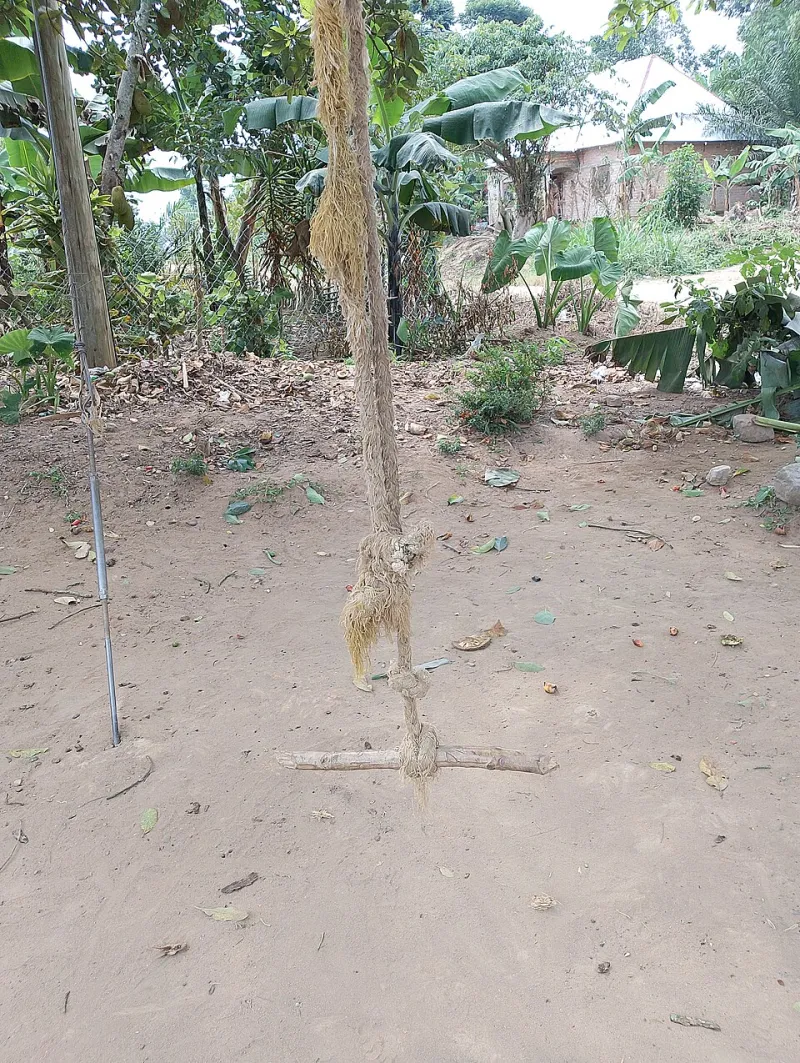
Photo: Geossegawa, CC BY 4.0, via Wikimedia Commons
Picture a rope swing over a river. You know how long the rope is. You swing out, you come back, and the length of the rope decides how far you go — not how long you were in the air. Slot sessions work the same way, except most of us measure the airtime and ignore the rope.
A time-based cut-off feels sensible. Twenty minutes, half an hour, one episode of something. The trouble is that the clock is a poor proxy for what you are actually spending.
Two sessions, same twenty minutes
Player A loads a slow, feature-heavy game at 20p a spin. Twenty minutes gets them perhaps sixty spins. That is £12 of exposure.
Player B is on a fast game at 20p, with quick reloads, short animations and a bonus round that eats a couple of minutes. Twenty minutes gets them three hundred spins. That is £60 — five times the cost of Player A, from an identical slice of the evening.
Neither player did anything wrong. They simply used the same yardstick for two different things. Minutes are not the unit you spend.
Why the clock keeps lying
Spin speed varies from game to game, and even within one game once a feature is running. Loading screens and re-connections burn minutes without burning a penny, which sounds like a bonus until you realise those same interruptions stretch a session well past the point you meant to stop. The UK rules requiring periodic reality-check reminders are a genuinely good thing, and they also pause the clock while the spend carries on.
Then there is the softer stuff. A phone call, a chat with a flatmate, a quick look at the football. You were not really playing for that half hour. But the session was still open, and an open session is a session that can resume.
Spins are the unit you actually spend
Exposure is stake multiplied by spins. That is the whole equation, and it is the one worth planning around.
So flip the planning. Instead of deciding how long you will play, decide how many swings you get.
Step one: pick a session budget you would be content to see gone — a real number, not a hopeful one.
Step two: pick your stake per spin for this session and stick to it.
Step three: divide the budget by the stake, round down, then shave about ten per cent off for luck. That shaved amount is your ceiling.
Some worked examples, using the sort of stakes UK players actually use:
- £10 budget at 10p spins — 100 spins on paper, so a ceiling of 90.
- £10 budget at 20p spins — 50 on paper, ceiling of 45.
- £25 budget at 50p spins — 50 on paper, ceiling of 45.
- £20 budget at £1 spins — 20 on paper, ceiling of 18.
The haircut is not superstition. Bonus rounds and features consume spins without you pressing anything, and the arithmetic is cleaner if you leave a little slack.
Counting without a gadget
There is no need to build anything. A sheet of paper and a tally in blocks of ten works beautifully and gives you something to do with your hands. A cheap clicker does the same job. Some players count in fives and pause at every fifty to check the balance; the site's own session history will confirm the count later if you lose track.
Whatever the method, the point is that a spin becomes a thing you have spent rather than a stream you are standing in.
What changes when you count
Something does change, and it is mostly good. Play slows down, because counting has a rhythm to it. Dead spins register as individual losses rather than background noise. The ending arrives as a decision you made rather than a mood that came over you.
It also resets your sense of value. Fifty spins at 20p sounds like plenty until you have watched them go in eight minutes. That is useful information, not a reason to feel bad.
Keep a clock as a backstop
A ceiling is the primary tool; a time check is the seatbelt. Set both and honour whichever arrives first. If the minutes run out with twenty swings left, close up. If the swings run out with twenty minutes left, close up too.
When the rope comes back
Hitting the ceiling is not a failure to manage — it is the plan working. Note the closing balance, close the tab properly, and log out rather than leaving the lobby open. If you want a third tool in the kit, set a deposit limit at the site so the rop length is fixed before you ever start swinging.
Pick a stake, divide the budget, take ten per cent off, count. That is the rule.